Research and Innovation placement, 29 June to 14 August 2026
Preparing a New Cancer Prehabilitation Pilot: Students Work With NHS Forth Valley and Maggie's
Two MSc Physiotherapy students worked alongside NHS Forth Valley and Maggie's Centre Forth Valley to help prepare a new physical activity prehabilitation pilot, from choosing the outcome measures to writing the patient handbook.
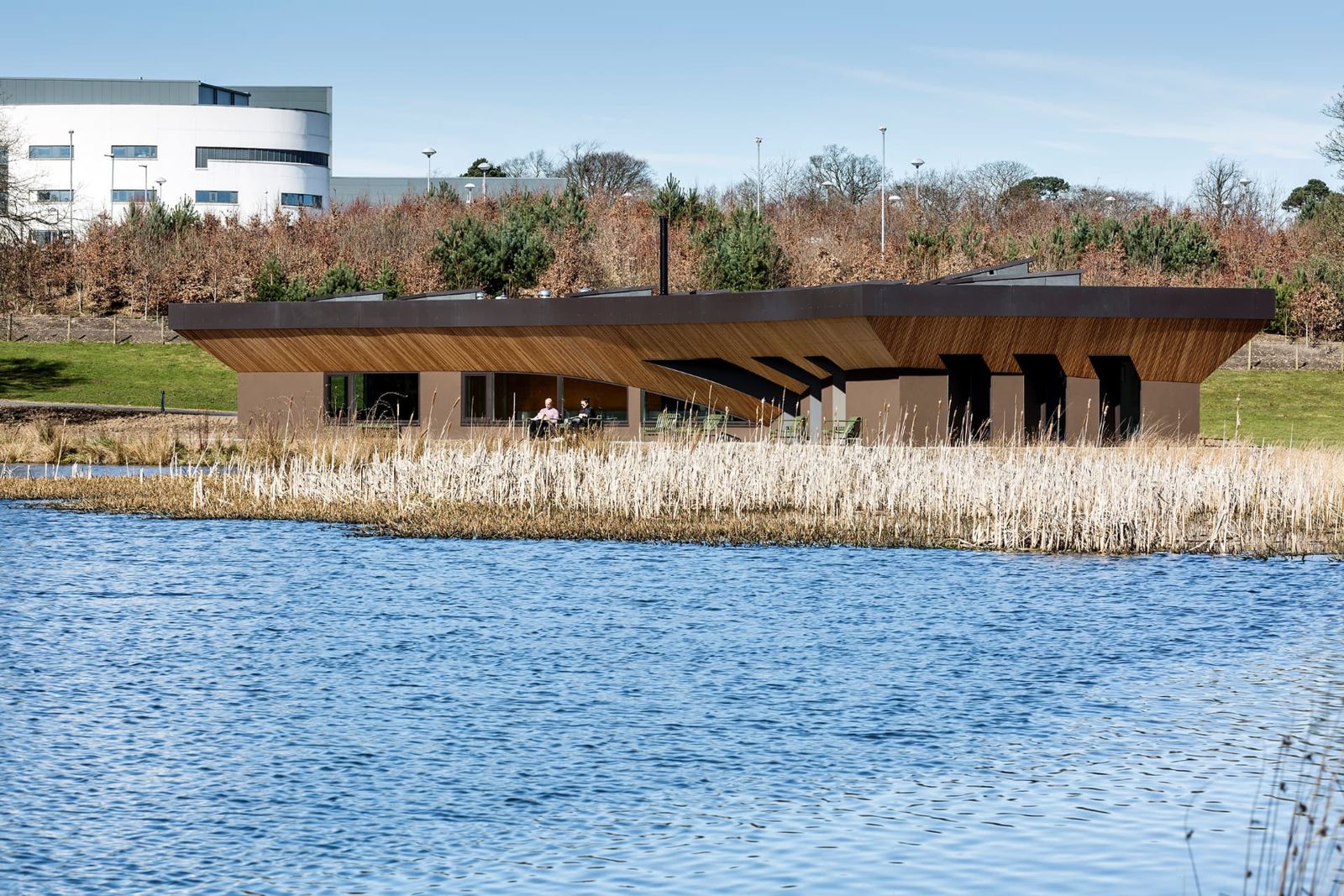
Photo: Garbers & James
Cancer prehabilitation means helping people get their body and mind as ready as possible before treatment starts. The aim is to help them cope better with treatment, recover more quickly afterwards and feel more in control at a difficult time. NHS Forth Valley and Maggie's Centre Forth Valley are piloting a six-week group exercise class for people who would benefit from extra support beyond universal prehabilitation. The first block began on 2 September 2026. During their Research and Innovation placement, MSc Physiotherapy students Sophie Wright and Sam Williamson supported the team preparing it. The programme belongs to NHS Forth Valley and Maggie's. This post is about the part the students played.
The brief
The students were asked to:
- Research and finalise a small set of outcome measures that were evidence-based, relevant and feasible for the people the programme is for
- Draft clear protocols for how each measure would be carried out
- Help with the programme's supporting documents
Choosing the measures
The students reviewed academic and grey literature and first identified five measures. After discussion with the prehabilitation steering group, these became three.
- 30-second sit-to-standLeg strength and endurance
- Hand grip strengthOverall muscle strength
- Timed up and goMobility, balance and falls risk
Each is done at the start of the programme and again at the end, so participants and their instructor can see how far they have come. The handbook also includes a short quality of life questionnaire.
The discussion taught the students something. They arrived with the evidence and their clinical reasoning. The steering group arrived with experience of the service and an understanding of what patients value, and had to ask whether the measures would be realistic and sustainable once the programme was running.
“Evidence, clinical reasoning, experience, patient needs and service feasibility come together to inform these decisions.”
Beyond the brief
As the work developed, the team saw a need for resources to help people understand what to expect and to support delivery. The students developed two documents, both now owned by NHS Forth Valley.
- Patient handbookA handbook for participants to keep and bring each week. It explains what prehabilitation is, how the start and end checks work, why physical activity matters and how to build it up safely, and when to get help. It also has space to weigh up change, rate confidence, set goals and keep a weekly diary.
- Outcome measure manualA manual for the people delivering the programme. It covers the aims, who the programme is for and how people are referred, how sessions run, goal setting, screening, step-by-step procedures for each measure, and how to record and discuss results.
The students also pulled together a short summary of the evidence behind each measure.
Testing before starting
Before the measures were used with patients, the students ran a pilot with student volunteers on 29 July. Six volunteers and five assessors ran the three tests from start to finish, including the briefing, consent and feedback. The feedback was positive, and the pilot picked up practical points to fix: a clearer starting position for the timed up and go, short breaks between tests, and a check that all equipment is in place. It was a small group of physiotherapy students, so it tells us about the process, not how patients will find it. We describe the pilot in more detail in our post on the Move Health MOT.
How it works in practice
- 1. Referral and informationPeople are referred by their clinical or support team and receive information about the programme.
- 2. Screening and invitationScreening checks the programme is suitable and safe, then people are invited to join.
- 3. Six weekly sessionsA group class at Maggie's Centre Forth Valley, with guidance for activity at home. Participants bring their handbook each week.
- 4. Start and end checksThe three tests are done in week one and again in week six.
- 5. EvaluationResults are analysed to see how the programme is working.


Photos by Sophie Wright
What the students learned
Service development is not linear. The brief grew as the work went on, and plans changed. Sophie describes feeling overwhelmed at the start and more comfortable with change by the end.
“I began to see them as opportunities and recognise that service development isn't linear.”
Working with the steering group showed both students how different perspectives shape decisions, and gave them a closer look at the role of third-sector organisations such as Maggie's in person-centred care. They also learned to ask for support early. And handing over work you have become invested in is its own lesson: they finished their placement before they could see how the documents would work in practice.
What happens next
The handbook and manual now sit with NHS Forth Valley colleagues, who own and will finalise them. The first block of the pilot began on 2 September 2026, and University of Stirling MSc Physiotherapy students are due to support the programme from its second block in November 2026.
Developing something new?
If your service is developing something new and could use student support, we would welcome a conversation.